New RVC-led research advances understanding of the causes of childhood stunting
A new collection of research studies co-edited by, and featuring research from, the Royal Veterinary College (RVC) has been published in a special issue of Philosophical Transactions of the Royal Society. The collection brings together international evidence on the complex biological and biomedical factors and environmental conditions that contribute to childhood stunting. Together, these studies highlight how infections, gut health, nutrition, food systems and environmental conditions interact to shape child growth and development. The findings help support more integrated approaches to tackling childhood stunting as global targets to reduce malnutrition remain unmet.
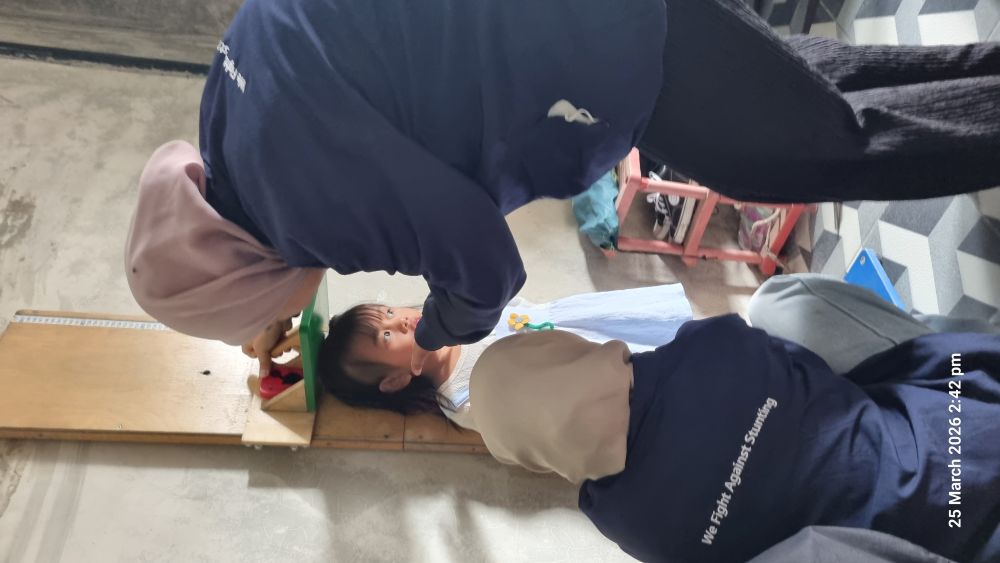
Childhood stunting describes when a child is too short for their age according to World Health Organization standards. As of 2025, the condition affects approximately 150.2 million children under five, almost a quarter of all children in this age group worldwide. Stunting is associated with poor health outcomes, including impaired development, increased susceptibility to infection and increased risk of common non-communicable diseases throughout life.
Despite previous research and intervention programmes, progress to address childhood stunting has stalled in many regions around the world. This may, in part, be because the multiple factors spanning nutrition, infection, poverty and environmental conditions and how they interact to cause stunting remain poorly understood.
The special issue entitled Biological, Biomedical and Environmental Drivers of Stunting brings together empirical studies, systematic reviews and perspective articles from researchers across multiple disciplines. The series is compiled and edited by Professor Joanne Webster FMedSci FRS, Professor of Parasitic Diseases and Director of the Global Centre for Neglected Tropical Disease Research (GCNTDR) at the RVC; Dr Benjamin Momo Kadia from University of Arkansas for Medical Sciences and the Liverpool School of Tropical Medicine; Tim Jesudason, from Partners in Global Health and Communications Manager for the GCNTDR; and Professor Stephen Allen, Professor of Paediatrics from Liverpool School of Tropical Medicine.
Produced in partnership between GCNTDR (hosted at the RVC) and the Global Challenges Research Fund’s Action Against Stunting Hub (AASH), the special issue also includes key findings from RVC research. For example, Professor Barbara Häsler, Professor in Agrihealth at the RVC, conducted a study examining bovine milk value chains in Hyderabad, India. The researchers identified where contamination occurs within milk supply chains and highlighted practical and accessible solutions, such as awareness raising of milk-borne hazards and trust building in value chains, to help households make safer choices and guide communities and policymakers in improving milk safety and child health.
Another study, led by Dr Isobel Gabain, Postdoctoral Researcher in One Health at the RVC and GCNTDR Manager, used directed acyclic graphs to explore how maternal and child helminth infections (caused by parasitic worms) may affect child growth. This study mapped potential causal pathways between helminth infections during pregnancy, infant (0–6 months) and the post-weaning (6–24 months) period, and childhood stunting. The research identified low birth weight as a key mediating pathway. The resulting minimally sufficient adjustment sets offered standardised confounder frameworks to support more methodologically rigorous causal inference in future research.
Additional findings explored within the issue include:
- How environmental enteric dysfunction, a chronic syndrome of the small intestine, may influence nutrient absorption and growth pathways
- The relationship between diet, gut microbiota and childhood development
- The links between access to animal-source foods and nutritional outcomes
- The need for integrated, cross-sector approaches to tackling malnutrition.
Professor Joanne Webster FMedSci FRS, Professor of Parasitic Diseases and Director of the Global Centre for Neglected Tropical Disease Research at the RVC, and editor and contributing author, said:
“Stunting has many interconnected causes that are not yet fully understood. This special collection brings together new research to explain how stunting develops and how it can be prevented. It explores three linked sets of influences: biological factors (such as infections and gut–diet–microbiome interactions), biomedical factors (including markers of intestinal damage and impaired growth hormones), and environmental conditions (such as food security, and water, sanitation and hygiene). Together, these studies highlight pathways shaping child growth and point to integrated solutions and priorities for policy and future research.”
Professor Stephen Allen, Professor of Paediatrics at Liverpool School of Tropical Medicine and editor and contributing author, said:
“The scant progress towards reaching international nutrition targets, coupled with the disappointing outcomes of single, ‘magic bullet’ interventions for the prevention of stunting, set the scene for this special edition. The wide scope of research presented here highlights the complex, inter-related pathways to stunting and will encourage new thinking on how to address this intractable problem that blights the prospects of so many of the world’s vulnerable children.”
Video credit: Dr Ben Kadia
Notes to Editors
The Global Centre for Neglected Tropical Disease Research was previously named the London Centre for Neglected Tropical Disease Research. A 2030 strategy launch for the Global Centre will take place later this year.
The full edition can be accessed at: https://doi.org/10.1098/rstb/381/1950
For media enquiries, please contact:
- rvc@plmr.co.uk
- Press Line: 0800 368 9520
About the RVC
- The Royal Veterinary College (RVC) is the UK's largest and longest established independent veterinary school and is a Member Institution of the University of London.
- It is one of the few veterinary schools in the world that hold accreditations from the RCVS in the UK (with associated recognition from the AVBC for Australasia, the VCI for Ireland and the SAVC for South Africa), the EAEVE in the EU, and AVMA in the USA and Canada.
- The RVC is ranked as the top veterinary school in the world in the QS World University Rankings by subject, 2026.
- The RVC offers undergraduate and postgraduate programmes in veterinary medicine, veterinary nursing and biological sciences.
- The RVC is a research-led institution, with 88% of its research rated as internationally excellent or world class in the Research Excellence Framework 2021.
- The RVC provides animal owners and the veterinary profession with access to expert veterinary care and advice through its teaching hospitals and first opinion practices in London and Hertfordshire.