




RVC Antimicrobial Resistance (AMR)
Antimicrobial resistance (AMR) is significant and growing challenge to global health. Existing antimicrobials are becoming less effective and pathogenic organisms are increasing the rate at which they become resistant to treatment.
Here at the RVC we are carrying out research addressing AMR from a One Health perspective. Using interdisciplinary approaches our research is addressing this problem both in the UK and worldwide.

Led by Dr Lucy Brunton
BSc, MSc Vet. Epi., PhD
Lecturer in Molecular Epidemiology
Lucy obtained her degree in microbiology from the University of Leeds in 2006, where she then undertook her PhD to investigate the effect of rearing environment on the incidence of zoonotic bacteria in pigs. In 2010, Lucy joined the Veterinary Laboratories Agency (now APHA) where she conducted epidemiological research in the areas of food-borne disease, AMR and bovine tuberculosis.
Having completed a Masters in veterinary epidemiology at the RVC in 2017, she joined the RVCs VEEPH group to develop molecular epidemiological expertise in the areas of AMR and bovine tuberculosis.
Her research focuses on understanding the molecular epidemiology of AMR and using One Health systems approaches to tackle this complex problem. She is particularly interested in the role that food animal production plays in contributing to the emergence and spread of AMR.

Led by Dr Andrew Mead
PhD MRes BSc(Hons) BA(Hons)
Lecturer in Antimicrobial Resistance
Currently employed as a post-doctoral researcher, Andrew continues to research the impact of human and veterinary antimicrobials to optimise dosing and explore the selection of antimicrobial resistance.
Andrew is interested in the combination of molecular, microbiological, and pharmacological approaches to understand core principles underlying antimicrobial use. He is keen to collaborate across academia and industry, and is a member of VetCAST, ENOVAT, and ECSMID.

Temporal dynamic resistance of skin and gastrointestinal bacteria in canine pyoderma
Temporal dynamic resistance of skin and gastrointestinal bacteria in canine pyoderma: Comparison between marbofloxacin and pradofloxacin in an investigator-blinded randomised interventional study.
| Find out more → |

Development of rapid diagnostics to detect mycobacterial infections
Mycobacteria are very difficult to culture and can take weeks to grow. The aim of this project is to is to use novel patented bacteriophage technology to rapidly detect and diagnose infections caused by mycobacteria, such as Tuberculosis and Johne’s disease.
| Find out more → |
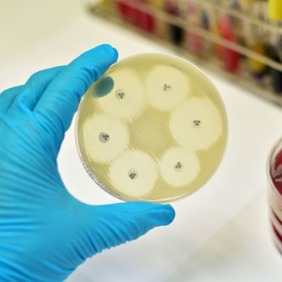
Evaluating the surveillance system for Antimicrobial Use (AMU) and Antimicrobial Resistance (AMR) in the United Kingdom from a One Health perspective
The project aims to assess the value of integrated surveillance systems for AMU and AMR in the UK from a One Health (OH) perspective.
| Find out more → |
Key Partners



We also work with many other partners, including:
WorldFish, University of Stirling, University of Nigeria Nsukka, University of Nottingham, University of Copenhagen, Food Standards Agency, The Francis Crick Institute, Birkbeck, LSE, SOAS, Harper Adams University, New Zealand Ministry for Primary Industries, Massey University, Agresearch