
MSc Wild Animal Health
This course will give you training in why health matters in wild populations, how we can monitor it, and how we can influence it. If your interests are solely clinical then check out our hands on Zoo Health Management and Wildlife Population Health residencies.
What is the RVC/ZSL MSc in Wild Animal Health?
Since its inception in 1994 this world-class Masters course has produced hundreds of graduates, originating from dozens of countries.
It provides qualified veterinarians with a critical understanding of the management of wild animals and the epidemiology, treatment and control of wildlife disease. The course provides practical exposure to wild species in a captive setting and an understanding of their health, welfare and conservation. This masters also provides training in research methods relevant to the study of wildlife in both captive and wild settings.
The Masters in Wild Animal Health is taught jointly by the Royal Veterinary College and the Zoological Society of London. Aimed at qualified veterinarians, the course will equip you with an in-depth knowledge of the management of wild animals and epidemiology, treatment and control of diseases. You will benefit from working and studying alongside biology/zoology graduates taking the associated MSc in Wild Animal Biology as well as learning from internationally renowned experts in their field.
Programme delivery
This specialist Masters course is completed over one-year full time study, commencing in the Autumn. The bulk of teaching takes place at The Zoological Society of London, Regents Park, with time also spent at Whipsnade Zoo and Royal Veterinary College, Camden and Hawkshead Campuses.
We deliver the course through two terms of lectures, seminars, tutorials and problem-based learning, with modular examinations.
The MSc includes a research project over the summer months (May-August) prior to final assessment. The course is organised by discipline (eg epidemiology, anaesthesiology, virology) with information relating to specific taxa included in lectures throughout the course.
You will learn the principles of each subject, and taxa-specific lectures are included to exemplify these principles.
Course participants play an active role in lectures, seminars, tutorials and clinical work. There are no part-time or distance learning options available.
The course starts in September each year.
Full Time
Term 1
There is a two-week orientation period that includes an introduction to studying at the Royal Veterinary College and ZSL, followed by four compulsory modules:
- Conservation Science (ZSL)
- Ecosystems Health & Anthropogenic Drivers of Disease Emergence (ZSL)
- Principles of Epidemiology and Surveillance (RVC)
- Research Skills and Statistical Analysis (RVC)
Term 2
All students take the following 4 compulsory modules:
- Health & Welfare of Captive Wild Animals (ZSL)
- Practical Studies/Rotations (ZSL)
- Wild Animal Health & Conservation Interventions (ZSL)
- Wildlife Disease Investigation & Surveillance (ZSL)
Term 3
Research Project
The Research Project runs in Term 3 from end of April/beginning of May through to the end of August.
To enquire about the exact start date please email admissions@rvc.ac.uk.
What will I learn?
The course provides participants with:
- A critical awareness of current problems in wildlife disease with implications for wildlife conservation and welfare.
- A new insight into veterinary interventions for the management of captive and free-living wild animal.
- A systematic understanding of the biological principles underpinning wild animal conservation and management, and the epidemiology, diagnosis and control of wildlife disease.
- Basic competence in veterinary techniques and preventative medicine for wild animals.
- A conceptual and practical understanding of how established techniques of research and enquiry are used to create knowledge in the field of wild animal health.
- A comprehensive understanding of scientific skills, including critical review of the scientific literature, and design and analysis of laboratory or field studies.
Upon completion of the MSc in Wild Animal Health, you will have gained the analytical skills, the understanding, the confidence and the language to influence thinking and policy making within a wide range of organisations, such as zoos, national parks, universities, conservation organisations and government departments worldwide.
Useful links
Here are some other useful and interesting veterinary and wildlife-related web sites:
- ZSL Wild Animal Biology
- Institute of Zoology
- Wildlife Disease Association
- The Wildlife Information Network
- Zoological Record - Internet resource guide
- Zoological Society of London
Sign up to our mailing list to hear about future opportunities
 Sign up to hear more from RVC
If you’re interested in studying this course, and would like to stay informed, sign up to our RVC For Me mailing list to receive relevant information about upcoming events, students stories and life at the Royal Veterinary College.
Academic qualifications
We invite applications from candidates with a first or second class honours Veterinary degree from a recognised veterinary school and at least one year of postgraduate veterinary experience.
We are keen to see some relevant work experience in a zoo, wildlife rehabilitation centre or wildlife hospital.
English language requirements
A good working knowledge of scientific English is essential in order to follow the course. All applicants must have an acceptable English Language qualification:
- IELTS (Academic) score of 7.0 or above with minimum 6.5 in each component
For those without IELTS, please see our English Language Requirements page for a full list of qualifications we will accept as alternatives.
What will I be able to do with my qualification?
The world-class specialist MSc in Wild Animal Health has produced over 190 graduates since its inception in 1994.
Our graduates have gone on to work with both captive and free-living wild animals as clinicians, pathologists, epidemiologists, academics and senior management in zoological collections, national parks, universities and government departments worldwide.
Others continue to work towards a PhD or DVetMed with either the ZSL or RVC, or at other leading research institutes.
See the ZSL website for detailed career profiles of some recent graduates.
Jessica Quinlan, MSc Wild Animal Health - Graduated in 2023
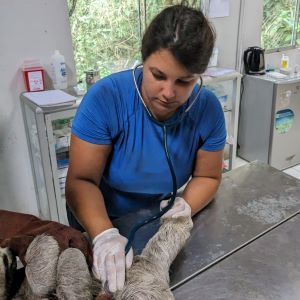
During the course, I enjoyed gaining new insights into different methods of conservation and understanding wildlife disease from an epidemiological perspective and receiving lectures from many of the top scientists and conservationists in their fields.
I was able to have chances to monitor the general anaesthesia and take blood samples from a variety of species that I have not worked with before, including marmosets and penguins.
One particular highlight of the course is all of the people across the world that you are able to meet, both lecturers and colleagues. The research project was also a particular highlight and provided a lot of fun and experience as well as hard work.
I would recommend this course for biologists and veterinarians who are interested in learning about the epidemiology of wildlife disease, as well as wildlife conservation.
I am currently a practising vet and I am working more with exotic species. I hope to complete a PhD focused on wildlife disease in the future.
María José Duque-Correa, MSc Wild Animal Health - Graduated in 2020

I am currently a Ph.D. student at the Clinic for Zoo Animals, Exotic Pets, and Wildlife at the University of Zurich. My research is about ecological and evolutionary anatomy. Specifically the relationship of diet and other biological factors on intestinal length across vertebrates. I also supervise masters and undergrad students and do some teaching.
Studying at the RVC helped my career in several ways. First, I acquired and improved skills that I use every day now. Critical thinking, data management, and scientific writing, among others. Second, during the year, we had lectures from several invited lectures, which is how I came across the research being done by my current supervisor.
What I enjoyed most about studying at the RVC was the quality of the teaching and variety of subjects covered. It was also good to be in a very international environment and be able to meet people from around the world.
Kashmini Sumanasekera, MSc Wild Animal Health - Graduated in 2019

The year I spent studying the MSc in Wild Animal Health was one of the most transformative periods of my life. As a lifelong wildlife enthusiast, I had always aspired to become a zoo and wildlife veterinarian, and this course proved to be the perfect pathway to achieving my goals. The program offers a great balance of clinical training and research experience. The hands-on work at ZSL zoos enhanced my clinical skills with diverse species, while lectures from leading global wildlife health experts enriched my learning. The connections I established with both the ZSL zoo veterinarians, and these visiting experts were very beneficial when I returned to Sri Lanka as a zoo veterinarian.
The course also provided a strong foundation in research methodology, including scientific writing, epidemiology, and statistics. One highlight was the problem-based learning sessions, which fostered collaborative thinking across diverse wildlife health challenges. It was through one of these sessions that I first learned about chytridiomycosis, the devastating amphibian fungal disease that has become the focus of my current PhD research at the University of Melbourne.
This program really helped shape my career path. Beyond all the learning and professional growth, I also made great friendships with colleagues from around the world that continue to be meaningful both personally and professionally.
Key academic staff
Co-Course/Deputy Co-Course Directors
- Dr Maria Diez Leon (RVC)
María is the co-course director on the MSc WAB and WAH courses and is based at the RVC. María graduated in Biology at the University of Navarra. She went on to pursue an MSc. in Applied Animal Behaviour and Animal Welfare at the University of Edinburgh, followed by a PhD in the same field at the University of Guelph. Along with Chris, her role is to oversee the whole course, ensure that the modules are well integrated, and to ensure that the courses are meeting their objectives. - Chris Yesson (ZSL)
Chris Yesson is the co-course director on the MSc WAB and WAH courses and is based at ZSL. Chris works in Greenland and other areas, using a range of survey techniques, including a variety of camera surveys, to examine temperate and polar seabed habitats such as kelp forests and cold-water coral fields.
- Andres Valenzuela-Sanchez (ZSL)
Andrés is the deputy co-course director of the MSc WAB and WAH courses and is based at the Institute of Zoology, ZSL, where he is a Research Fellow in Wildlife Health. Andrés conducts research on the drivers and consequences of infectious diseases in free-living host populations, in addition to wildlife monitoring and conservation. He is a trained veterinarian and holds a PhD in Conservation Medicine from Universidad Andrés Bello, Chile. Along with María, Chris, and Bernat, his role is to oversee the whole course, with an emphasis on the ZSL perspective
- Dr Bernat Marti Garcia (RVC)
Bernat is the deputy co-course director on the MSc WAB and WAH courses and is based at the RVC. He graduated in Veterinary Medicine at the Autonomous University of Barcelona and then went on to pursue postgraduate training in veterinary anatomic pathology. After obtaining the ECVP diploma he started working as a Lecturer at RVC and his areas of interest include infectious diseases and One Health. Along with María, Chris and Andrés, his role is to oversee the whole course, ensure that the modules are well integrated, and to ensure that the courses are meeting their objectives
Module Leaders:
- Prof Dave Brodbelt (RVC)
Professor of Evidence Based Veterinary Medicine - Professor Javier Guitian (RVC)
Professor of Veterinary Public Health
- Dr Ruby Chang (RVC)
Associate Professor of Statistics - Prof Andrew Cunningham (ZSL)
Deputy Director of Science - Dr Julian Drewe (RVC)
Associate Professor of Epidemiology - Dr Amanda Guthrie (ZSL)
Head of Wildlife Health Services - Dr Becki Lawson (ZSL)
Senior Research Fellow - Dr Marcus Rowcliffe (ZSL)
Senior Research Fellow - Dan Simmonds (ZSL)
Team Leader - Primates - Dr Simon Spiro (ZSL)
Wildlife Veterinary Pathologist - Dr Taina Strike (ZSL)
European Veterinary Specialist in Zoological Medicine (Zoo Health Management) - Andres Valenzuela-Sanchez (ZSL)
Research Fellow in Wildlife Health - Chris Yesson (ZSL)
Research Fellow
- Louise McRae (ZSL)
Research Fellow
- Dr Malcolm Nicoll (ZSL)
Senior Research Fellow
- Dr Javier Sánchez Romano (ZSL)
Research Fellow in One Health
- Sheryl Bradley (ZSL)
Veterinary Nurse Manager.
Publications arising from MSc Wild Animal Health Projects, Casebooks and Assignments
Project related - Peer-reviewed
- Cunningham, A.A., Garner, T.W.J., Aguilar-Sanchez, V., Banks, B., Foster, J., Sainsbury, A.W., Perkins, M., Walker, S.F., Hyatt, A.D., Fisher, M.C., 2005. Emergence of amphibian chytridiomycosis in Britain. Veterinary Record 157: 386-387.
- Asakawa M, AW Sainsbury, G Sayers 2006 Nematode infestation with Heligmosomoides polygyrus in captive common dormouse (Muscardinus avellanarius). Veterinary Record 158: 667-668.
- Walker, S.F., Baldi Salas, M., Jenkins, D., Garner, T.W.J., Cunningham, A.A., Hyatt, A.D., Bosch, J., Fisher, M.C., 2007. Environmental Detection of Batrachochytrium dendrobatidis in a Temperate Climate. Diseases of Aquatic Organisms 77 (2):105-12
- Barratclough A., Jepson P.D., Hamilton P.K., Miller C.A., Wilson K., Moore M.J. 2014. How much does a swimming, underweight, entangled right whale (Eubalaena glacialis) weigh? Calculating the weight at sea, to facilitate accurate dosing of sedatives to enable disentanglement. Marine Mammal Science doi: 10.1111/mms.12132
- Calatayud, O, Esperón, F, Velarde, R, et al. Genetic characterization of Carnivore Parvoviruses in Spanish wildlife reveals domestic dog and cat‐related sequences. Transbound Emerg Dis. 2019; 00: 1– 9. https://doi.org/10.1111/tbed.13378
- Carrera-Faja, Laura, Chris Yesson, Bryony A. Jones, Camilla T. O. Benfield, and Richard A. Kock. 2023. "An Integrated Ecological Niche Modelling Framework for Risk Mapping of Peste des Petits Ruminants Virus Exposure in African Buffalo (Syncerus caffer) in the Greater Serengeti-Mara Ecosystem" Pathogens 12, no. 12: 1423. https://doi.org/10.3390/pathogens12121423
- Ceccolini, M.E., Hedley, J., Chang, Y., Guthrie, A. 2021. A Retrospective Study of Bite Wound Management in Ring-Tailed Lemurs (Lemur Catta) Housed Within Five British Zoos. Journal of Zoo and Wildlife Medicine. 52(4) : 1263 – 1269.
- Chaber, A-L., Allebone-Webb, S., Lignereux, Y., Cunningham, A. A. & Rowcliffe, J. M. 2010 The scale of illegal meat importation from Africa to Europe via Paris Conservation Letters DOI: 10.1111/j.1755-263X.2010.00121.x
- Chaber A-L, Cunningham A 2016. Public health risks from illegally imported African bushmeat and smoked fish. Ecohealth 13: 135-136
- Chuei, JY., Asa, C.S., Hall-Woods, M., Ballou, J., Traylor-Holzer, K., 2007. Restoration of reproductive potential after expiration or removal of melengestrol acetate contraceptive implants in Tigers Panthera tigris. Zoo biology 26 (4): 275-288.
- Clauss, M., Deutsch, A., Lechner-Doll, M., Flach, E., Tack, C., 1998. Passage rate of fluid and particle phase in captive giraffe Giraffa camelopardalis. Advances in Ethology 33: Supplements to Ethology: 98.
- Clauss M., Lechner-Doll, M., 2001. Differences in selective reticulo-ruminal particle retention as a key factor in ruminant diversification. Oecologia 129: 321-327.
- Clauss, M., Lechner-Doll, M., Flach, E.J., Tack, C., Hatt, J-M. 2001. Comparative use of four different marker systems for the estimation of digestibility and low food intake in a group of captive giraffes (Giraffa camelopardalis). Zoo Biology 20: 315-329.
- Cock, H. R, Sprio, S., Stidworthy, M. F., Denk, D., Guthrie, A. 2023 Retrospective study of morbidity and mortality of captive African wild dogs (Lycaon pictus) held within United Kingdom zoological institutions betwee 2000 and 2020. Journal of Zoo and Wildlife Medecine 54(3): 498-510 https://doi.org/10.1638/2022-0026
- Common, S., Yun, Y,, Silva-Fletcher, A., Thiaram, C., Janyamethakul, T., Khammesri, S., Molenar, F. 2021. Developing a non-invasive method of detecting elephant endotheliotropic herpesvirus infections using faecal samples. Veterinary Record DOI: 10.1002/vetr.833
- Dalziel, A.E, Sainsbury A.W, McInnes, K, Jakob-Hoff, R, Ewen, J 2016. A Comparison of Disease Risk Analysis Tools for Conservation Translocations. EcoHealth doi:10.1007/s10393-016-1161-5
- Drewe JA, David Mwangi, Helen D. Donoghue, Ruth L. Cromie 2008. PCR analysis of the presence and location of Mycobacterium avium in a constructed reed bed, with implications for avian tuberculosis control. FEMS Microbiology Ecology DOI: 10.1111/j.1574-6941.2008.00618.x
- Duque-Correa, M., Biddle, R, Patterson, S., Masters, N. 2022. Retrospective study of captive jaguar Panthera onca mortality in the European breeding population from 1998 to 2018. Journal of Zoo and Aqaurium Research. https://www.jzar.org/jzar/article/view/595
- Pain, D.J., Carter, I., Sainsbury, A.W., Shore, R.F., Eden, P., Taggart, M. A., Konstantinos, S., Walker, L.A., Meharg, A.A., Raab, A., 2007. Lead contamination in captive and free-living red kites Milvus milvus in England. Science of the Total Environment 376: 116-127.
- Horton, D, Lawson, B, Egbetade, A, Jeffries, C, Johnson, N, Cunningham, A.A, Fooks, A.R. 2013. Targeted surveillance for Usutu virus in British birds (2005-2011). Veterinary Record.
- Ferreira, B., Girling, S., Guthrie, A., Milnes, E., Stidworthy, M.F., Bacon, A. "MORTALITY AND MORBIDITY REVIEW IN THE UNITED KINGDOM EX SITU POPULATION OF EUROPEAN WILDCATS (FELIS SILVESTRIS) BETWEEN 2000 AND 2021," Journal of Zoo and Wildlife Medicine, 55(2), 369-380. DOI: https://doi.org/10.1638/2023-0086
- Fleming M, Burn C. C, 2014. Behavioural Assessment of dental pain in captive Malayan sun bears (Helarctos malayanus). Animal Welfare 23: 131-140.
- Flores-Miyamoto, K., Clauss, M., Ortmann, S., Sainsbury, A.W., 2005. Nutrition of captive lowland anoa (Bubalus depressicornis): a study on ingesta passage, intake, digestibility, and a diet survey. Zoo Biology 24: 125-134.
- Garriga, R.M., Sainsbury, A.W., Goodship, A.E., 2004. Bone assessment of free-living red squirrels (Sciurus vulgaris). Journal of Wildlife Disease 40: 515-522
- German, A.C., Shankland, G.S., Edwards, J., Flach, E.J., 2002. Development of an indirect ELISA for the detection of serum antibodies to Aspergillus fumigatus in captive penguins. Veterinary Record 150: 513-518.
- González-Hernández M., Denoël M., Duffus A.J.L., Garner T.W.J. & Acevedo-Whitehouse K. 2010. Dermocystid infection and associated skin lesions in free-living palmate newts (Lissotriton helveticus) from southern France. Parasitology International 59: 344-350.
- Martinez, S.G., Spiro, S., Guthrie, A., Barbon, A.R., Lopez, J., Stidworthy, M.F., Denk, D., Jenkins, H., Strike, T. 2022. Cholelithiasis in captive mountain chicken frogs (Leptodactylus fallax): diagnostic imaging and histopathological features. Journal of Zoo and Wildlife Medicine, 53(1), 19-30.
- Hardman K, Dastjerdi A, Gurrala R, Routh A, Banks M, Steinbach F, Bouts T 2012. Detection of elephant endotheliotropic herpesvirus type 1 in asymptomatic elephants using TaqMan real-time PCR. Veterinary Record 170: 205.
- Hassell, J.M., Zimmerman, D., Cranfield, M R., Gilardi, K., Mudakikwa, A., Ramer, J., Nyirakaragire, E., Lowenstine, L J. 2017. Morbidity and mortality in infant mountain gorillas (Gorilla beringei beringei): A 46-year retrospective review. American Journal of Primatology, 9999:e22686.
- Hatt, J-M., Lechner-Doll, M., Mayes, B., 1998. The use of dosed and herbage n-Alkanes as markers for the determination of digestive strategies of captive giraffes Giraffa camelopardalis. Zoo Biology 17: 295-309.
- Hatt, J-M., Mayes, R.W., Lechner-Doll, M., 1997. Use of N-alkanes as markers for the study of digestive strategies in captive giraffes Giraffa camelopardalis. Proceedings of the Nutrition Society 56: 323A.
- Hauw, C., Marker, L., Yabe, J., Díez-León, M., McCann, N., Iiputa, G., Jago, M., Mukete-Hilundutah, E., Nzehengwa, T., Banda, N., Nakayama, S.M.M, Ishizuka, M., Katjavivi, U., Ehrlich, J., Humphries, M., Schmidt-Küntzel, A. Lead Bullet Burden: Widespread Lead Exposure in Wild Carnivores and Unseen Consequences of Feeding Lead-Shot Meat to Captive Cheetahs (Acinonyx jubatus). J Wildl Dis 1 October 2025; 61 (4): 1038–1049. doi: https://doi.org/10.7589/JWD-D-24-00219
- Hawkins E, Kock R, McKeever D, Gakuya F, Musyoki C, Chege S. M, Mutinda M, Karjuki E, Davidson Z, Low B, Skilton R. A, Njahira M. N, Wamalwa M, Maina Em, 2015. Prevalence of Theileria equi and Babesia caballias well as the identification of associated ticks in sympatric Grevy’s zebras (Equus grevyi) and donkeys (Equus africanus asinus) in Northern Kenya. Journal of Wildlife Diseases, 51: 137-147
- Hoffmann C, Merkel K, Sanchse A, Rodriguez P, Leendertz F H, Calvignac-Spencer Sebastien, 2018. Blow flies as Urban Wildlife Sensors. Molecular Ecology Resources. 18: 3, https://doi.org/10.1111/1755-0998.12754
- Hubel, T.Y., Shotton, J., Wilshin, S.D., Horgan, J., Klein, R., McKenna, R. and Wilson, A.M., 2016. Cheetah reunion – the challenge of finding your friends again, PLOS ONE, 11: http://dx.doi.org/10.1371/journal.pone.0166864
- Garcia, G., Cunningham, A.A., Horton, D.L., Garner, T.W.J., Hyatt, A., Hengstberger, S., Lopez, J., Ogrodowczyk, A., Fenton, C. and Fa, J.E., 2007. Mountain chickens Leptodactylus fallax and sympatric amphibians appear to be disease free on Montserrat. Oryx 41(3): 398-401.
- Bouts T, Karunaratna D, Berry K, Dodds J, Gasthuys F, Routh A, Taylor P., 2011. Evaluation of medetomidine-alfaxalone and medetomidine-ketamine in semi-free ranging Bennett's wallabies (Macropus rufogriseus). Journal of Zoo and Wildlife Medicine 42 (4):617-22.
- Jaffe, J., Jourdan, B., Cranfield, M.R., Gilardia, K., Zimmerman, D. 2020. Anesthesia with medetomindine-ketamine and dexmedetomidine-ketamine in mountain gorillas (Gorilla bereingei beringei). Journal of Zoo and Wildlife Medicine, 51(3): 507-513
- Kilgallon C, Flach E, Boardman W, Routh A, Strike T, Jackson B 2008. Analysis of biochemical markers of bone metabolism in Asian elephants (Elephas maximus). Journal of Zoo and Wildlife Medicine 39: 527-536.
- Sainsbury, A.W., Kountouri, A., Du Boulay, G., Kertesz, P., 2004. Oral disease in free-living red squirrels (Sciurus vulgaris) in the United Kingdom. Journal of Wildlife Diseases 40: 185–196.
- Kukielka E., Barasona J.A., Cowie C.E., Drewe J.A., Gortazar C., Cotarelo I., Vicente J. 2013. Spatial and temporal interactions between livestock and wildlife in South Central Spain assessed by camera traps. Preventive Veterinary Medicine 112: 213-221
- Lakshminarayana, S.B., Guthrie, A., Blake, D.P., Harley, J., MacKintosh, A., Lait, P.J.P., Bacon, A., Milnes, E.L. 2024. Detection of babesia cf. Odocoilei, babesia capreoli, and anaplasma phagocytophilum in cervids of the scottish highlands, United Kingdom. Journal of Zoo and Wildlife Medicine 55(3):750-764.
- Langguth, A., Spiro, S., Strike, T., Berry, K., Molenaar, F. M., 2023. Renal adenocarcinoma found in a clinically lame marbled duck (Marmaronetta angustirostris). Vet Record Case Reports. https://doi.org/10.1002/vrc2.636
- Sainsbury AW, Deaville R, Lawson B, Cooley WA, Farelly SSJ, Stack MJ, Duff DP, McInnes CJ, Gurnell J, Russell PH, Rushton SP, Pfeiffer DU, Nettleton P, Lurz PWW 2008. Poxviral disease in red squirrels Sciurus vulgaris in the UK: spatial and temporal trends of an emerging threat. Ecohealth 5 (3): 305-316.
- Lennox AR and Goodship AE. 2008. Polar bears the most evolutionary hibernators do not lose bone during hibernation. Comp Biochem Physiol Part A. Vol 149; 203-208.
- Leopardi, S., Damer, B., Puechmaille, S. 2015. White-Nose Syndrome fungus introduced from Europe to North America. Current Biology 25(6): R217-219.
- Lloyd, C., Manvell, R., Drury, S., Sainsbury, A.W., 2005. Seroprevalence and significance of paramyxovirus titres amongst a zoological collection of lizards. Veterinary Record 156: 578-580.
- Loras, A.F., Hidalgo-Vila, J., Hermosilla, C., Garcia, G., Lopez, J., Duffus, A.L.J., Cunningham, A.A. and Roca, V. 2011 Preliminary health screening and possible pathogen determination in a Bufo bufo (Linnaeus, 1758) (Amphibia: Bufonidae) population. Journal of Natural History 45(1-2): 1-14. DOI: 10.1080/00222933.2010.501528
- Martinez-Jimenez M, Graham D, Couper D, Benko M, Schoniger S, Gurnell J, Sainsbury AW 2011. Epizootiology and pathological findings associated with a newly described adenovirus in the red squirrel, Sciurus vulgaris. Journal of Wildlife Diseases 47 (2): 442-454.
- Masters N.J., Burns, F.M., Lewis, J., 2007. Peri-anaesthetic and anaesthetic-related mortality risks in great apes (Hominidae) in Zoological Collections in the UK and Ireland. Veterinary Anaesthesia and Analgesia 34: 431-442
- McInnes CJ, Coulter L, Dagleish MP, Deane D, Gilray J, Percival A, Willoughby K, Scantlebury M, Marks M, Graham D, Everest DJ, McGoldrick M, Rochford J, McKay F, Sainsbury AW 2012. The emergence of squirrelpox in Ireland. Animal Conservation doi:10.1111/j.1469-1795.2012.00570.x
- Molenaar, F., Sainsbury, A.W., Waters, M., Amin, R. 2008. Significant elevations of serum iron, transferrin saturation and GGT in captive black rhinoceroses (Diceros bicornis). Veterinary Record 162: 716-721.
- Mota, Stéphanie M., Brandão, João, and Guthrie, Amanda. 2021. Comparison Of Blood Symmetric Dimethylarginine And Creatinine As Endogenous Markers Of Kidney Function In Captive Tigers (Panthera Tigris). Journal of Zoo and Wildlife Medicine. 52 (2): 628-637
- Mudenda N, Sainsbury AW, Macgregor SK, Flach EJ, Owen RJ 2008. Prevalence of Campylobacter spp in corncrakes Crex crex in a reintroduction programme in the UK. Veterinary Record 163: 274-275.
- Mumby C, Bouts T, Sambrook L, Danika S, Rees E, Parry A, Rendle M, Masters N and Weller R 2013. Validation of a new radiographic protocol for Asian elephant feet and description of their radiographic anatomy. Veterinary Record 173: 318
- Karakosta, C.V., Jepson, P.D., Ohira, H., Moore, A., Bennet, P.M., Holt, W.V., 1999. Testicular and ovarian development in the harbour porpoise Phocoena phocoena. Journal of Zoology, London 249: 111-121.
- Oni, O., Sujit, K., Kasemsuwan, S., Sakpuaram, T., Pfeiffer, D., 2007. Seroprevalence of leptospirosis in domesticated Asian elephants (Elephas maximus) in North and West Thailand, 2004. Veterinary Record 160: 368-371.
- Williams, D.L., Hopcroft, T., Pantel, U., Brancker, W.M., 1998. Levels of choroidal body carbonic anhydrase activity and glycogen in farmed halibut. The Veterinary Journal 156: 223-229.
- Parga, M.L., Pendl, H., Forbes, N.A., 2001. The effect of transport on haematologic parameters in trained and untrained Harris’s Hawks and Peregrine Falcons. Journal of Avian Medicine and Surgery 15: 162-169.
- Peel, A., Hartley, M. & Cunningham, A. 2012. Qualitative risk analysis of introducing Batrachochytrium dendrobatidis to the UK through the importation of live amphibians. Diseases of Aquatic Organisms, 98, 95–112.
- Pereira, M., Stidworthy, M. F., Denk, D., Spiro, S., Guthrie, A., & Patterson, S. 2021. A Retrospective Study Of Morbidity And Mortality Identified At Postmortem Examination Of Captive Langurs (Trachypithecus Spp) From Six United Kingdom Zoological Institutions: A 19-YEAR REVIEW. Journal of Zoo and Wildlife Medicine, 52(4), 1123-1134.
- Tavernier P, Dewulf J, Roelandt S, Roels S. 2011. Wildtool, a flexible, first-line risk assessment system for wildlife-borne pathogens. European Journal of Wildlife Research 57:1065– 75.
- Reed, K., Macgregor S.K., Stidworthy, M.F., Denk, D., Guthrie, A. 2020. The isolation and antimicrobial sensitivity of aspergillus fumigatus from frozen respiratory tissues of penguins from zoological collections in the United Kingdom. Journal of Zoo and Wildlife Medicine, 51(3) : 591-597
- Sando, A., Stidworthy, M.F., Rich, A.F., Wrigglesworth, E., Blake, D.P., Strike, T., Spiro, S. "Angiostrongylus Vasorum In Captive Meerkats (Suricata Suricatta) In The United Kingdom: Significance, Histopathology, And Association With Pulmonary Arterial Atherosclerosis," Journal of Zoo and Wildlife Medicine, 56(4), 756-767, (5 November 2025) https://doi.org/10.1638/2024-0102
- Sentenac, H., Valenzuela-Sánchez, A., Haddow-Brown, N., Delgado, S., Azat, C., Cunningham, A.A., 2023 Accounting for bias in prevalence estimation: The case of a globally emerging pathogen. Journal of Applied Ecology 60: 2007-2017
- Soares, J.F., Chalker, V.J., Erles, K., Holtby, S., Waters, M., McArthur, S., 2004. Prevalence of Mycoplasma agassizii and chelonian herpesvirus in captive tortoises (Testudo spp.) in the United Kingdom. Journal of Zoo and Wildlife Medicine 35: 25-33.
- Soto–Azat C., B.T. Clarke, M.C. Fisher, S.F. Walker, A.A. Cunningham. 2009. Novel non-invasive sampling methods for the detection of Batrachochytrium dendrobatidis from archived amphibians. Diseases of Aquatic Organisms 84: 163-166.
- Soto-Azat C, Clarke B.T, Poynton J.C, Cunnigham A.A. 2009. Widespread historical presence of Batrachochytrium dendrobatidis in African pipid frogs. Diversity and Distributions 1-6.
- Steinmetz, HW., 2000. Dermatologische Untersuchung zur Alopezieproblematik bei Rhesusaffen (Macaca mulatta). Dissertation, Doctor Medicinae Veterinariae, Hannover University.
- Steinmetz, HW., Kaumanns, W., Dix, I., Heistermann, M., Fox, M., Kaup, F.J., 2006. Coat condition, housing condition and measurement of faecal cortisol metabolites – a non-invasive study about alopecia in captive rhesus macaques (Macaca mulatta). Journal of Medical Primatology 35: 3-11.
- K.K. Sumanasekera, K. Seilern-Moy, S.K. John, S.K. Macgregor, H. Free, V. Wilkinson, A.A. Cunningham, B. Lawson .2018. Occurrence of Pigeon Circovirus Infections in Wild Columbiformes in Great Britain. In: proceedings of the International Conference of the Wilidlife Disease Association Australasia, Bali, Indonesia, 2018. P: 19.
- Bull, J.C., Jepson, P.D., Ssuna, R.K., Deaville, R., Allchin, C.R., Law, R.J. and Fenton, A. 2006. The relationship between polychlorinated biphenyls in blubber and levels of nematode infestations in harbour porpoises, Phocoena phocoena. Parasitology 132: 565-573.
- Tschopp, R., Frey, J., Zimmermann, L., Giacometti, M., 2005. Outbreaks of infectious keratoconjunctivitis in alpine chamois and ibex in Switzerland between 2001 and 2003. Veterinary Record 157: 13-18
- Van de Weyer Y, Howard MR, Stidworthy MF, Barbon AR, Chantrey J, Tahas SA, Wrigglesworth E, Rowden LJ, Guthrie A, Spiro S. Histopathological characterization and grading of chronic enterocolitis in Sulawesi crested macaques (Macaca nigra). Journal of Comparative Pathology. 2024 Jul 1;212:6-15.
- Van de Weyer, Y., Rowden, L. Guthrie, A., Tahas, S. 2022. Rectal prolapse in the Sulawesi crested black macaque (Macaca nigra): morbidity, mortality, and risk factors. American Association of Zoo Veterinarians 53(4): 722 – 732
- Van de Weyer Y, Rowden LJ, Guthrie A, Tahas SA. RECTAL PROLAPSE IN THE SULAWESI CRESTED BLACK MACAQUE (MACACA NIGRA): MORBIDITY, MORTALITY, AND RISK FACTORS. Journal of Zoo and Wildlife Medicine. 2023 Jan;53(4):722-32.
- van Zijll Langhout, M., Reed, P., Fox, M., 2010. Validation of multiple diagnostic techniques to detect Cryptosporidium sp. and Giardia sp. in free-ranging western lowland gorillas (Gorilla gorilla gorilla) and observations on the prevalence of these protozoan infections in two populations in Gabon. Journal of Zoo and Wildlife Medicine 41(2): 210-7.
- Weber, M., Gonzalez, S., 2003. Latin American deer diversity and conservation: a review on status and distributions. Ecoscience 10: 443-454.
- Weber M., Garcia-Marmolejo, G., Reyna-Hurtado, R., 2006. The Tragedy of The Commons: Wildlife Management Units in Southeastern Mexico. Wildlife Society Bulletin 34 (5): 1480-1488.
- Wenger, S., Boardman, W., Buss, P., Govender, D., Foggin, C., 2007. The cardiopulmonary effects of etorphine, azaperone, detomidine and butorphanol in field-anaesthetised white rhinoceroses (Ceratotherium simum). Journal of Zoo and Wildlife Medicine 38(3): 380-387.
- Wesche, P., Bond, R., 2002. Isolation of Malassezia pachydermatis from the skin of captive rhinoceros. Veterinary Record 153: 404-405.
- Zimmerman, J., Sainsbury, A.W., Williams, D.L. 2018. Is it advisable to rehabilitate and release owls with monocular vision? International Journal of Avian & Wildlife Biology 3 (1): 00044. DOI: 10.15406/ijawb.2017.03.00044
Project related - Non peer-reviewed
- Bailey, TA 2002. Aspergillosis: therapy and prevention in zoo animals with emphasis on raptors. Falco (Newsletter of the Middle East Falcon Research Group) 20: 18-23.
- Bailey, TA., Holt, W., Bennett, P., Barton. N., Fox, N., 2003. The Management of Small Populations of Falcons in Captivity and the Results of a Pilot Study to Cryopreserve Semen from Falconida Using Field Techniques. Proceedings of the European Association of Avian Veterinarians Conference, Tenerife, Spain, April, 2003, pp104-112.
- Barratclough, A 2015. How much does a swimming, underweight, entangled right whale weigh? Calculating the weight of right whales (Eubalaena glacialis) at sea, to facilitate accurate dosing of sedatives, to enable disentanglement from fishing gear in the Education and Management Session at IAAAM.
- Bouts, T., Fox, M.T., Scheres, G., Cha‘vez, A., 2003. Identification of gastro-intestinal nematodes and coccidia in wild vicunas (Lama vicugna) in Pampa Galeras, Peru. Verhandlungsbericht der Erkrankungen der Zootiere 41: 101-105.
- Castro Cesar de Sa R, Burn C, Lewis J, 2015. Reintroduction: Behavioural responses of captive bred Amur Leopard, Panthera pardus orientalis, to Amur tiger, Panthera tigris altaica, faeces. Universities Federation for Animal Welfare Conference, Croatia.
- Clauss, M., Suedmeyer, W.K., Flach, E.J., 1999. Susceptibility to cold in giraffe Giraffa camelopardalis. Proceedings of the American Association of Zoo Veterinarians, Colombus, Ohio. pp.183-186.
- Clauss, M., Flach, E.J., Ghebremeskel, K., Tack, C., Hatt, J.M., 2000. Supplementing the diet of captive giraffe (Giraffa cameloparadalis) with linseed extraction chips. In: Nijboer J, Hatt JM (Eds), Zoo Animal Nutrition, Filander Verlag, Fürth, pp271-280.
- Colvile, K., Sainsbury. A. W. (2008) Assessing the disease risks of wolf (Canis lupus) re-introduction in Scotland. Proceedings of the Veterinary Association for Wildlife Management Symposium ‘Wildlife Diseases and Zoonotic Infections’, Royal Society of Medicine, 19th November 2008.
- Sainsbury, A. W., Molenaar, F. M., Colvile, K. (2008) Developing the methodology for disease risk analysis for translocations undertaken for biodiversity conservation. Proceedings of the 8th Conference of the European Wildlife Disease Association, Rovinj, Croatia, 2nd – 5th October 2008.
- Cook, E.A.J., Dobson, E.C., Tumwine, J.K., Fox, M.T., 2006. Cryptosporidium in wildlife, cattle and humans at the wildlife/domestic interface of Queen Elizabeth National Park, Uganda. Proceedings of the 55th Annual Meeting of the Wildlife Disease Association University of Connnecticut August 6-10, p6.
- Wehnelt, S., Hudson, C., Feltrer, Y. and Pearson, J. 2002. Environmental Enrichment for Large Felids at Chester Zoo. Proceedings of the Annual Symposium on Zoo Research, Bristol Zoo Gardens.
- Goñi Martinez, S., Spiro, S., Guthrie, A., Rodriguez Barbon, A., Lopez, J., Stidworthy, M.F., Denk, D., Jenkins, H., Strike, T. 2021. Cholelithiasis in captive mountain chicken frogs (Leptodactylus fallax): Diagnostic imaging and histopathological features. Presentation at the 2021 Joint AAZV/EAZWV Conference online.
- Gual‑Sill, F., Pickard, A.R., Holt, W.V. & Green, D.I., 1999. Preliminary results of non‑invasive monitoring of the oestrus cycle in female Asian elephants (Elephas maximus) through faecal steroid analysis. Proceedings of the American Association of Zoo Veterinarians Annual Conference. 9th‑14th October 1999, Columbus, Ohio. pp. 87‑92.
- Hassel J, Zimmerman D, Cranfield M. R, Gilardi K, Pfeiffer Dm Lowenstine L, 2015. Mortality and morbidity of infant mountain gorillas (Gorilla beringei beringei): a 46-year retrospective analysis. Proceedings of the 64th International Conference of the Wildlife Disease Association, Queensland, Australia.
- Hoogesteyn, A.L., Cunningham, A.A., 1996. Development of an indirect immunofluorescent test for the detection of malaria antibodies in penguins (Sphenisciformes) Proceedings of the American Association of Zoo Veterinarians Conference, pp. 584-585.
- Von Houwald, F., Flach, E.J., 1998. Prevalence of chronic foot disease in captive greater one‑horned rhinoceroses (Rhinoceros unicornis). Proceedings of the European Association of Zoo and Wildlife Veterinarians (EAZWV), Second Scientific Meeting, Chester UK, pp. 323-328.
- Kilgallon, C., Flach, E.J., Boardman, W., Routh, A., Strike, T., Jackson, B., 2006. Biochical markers of bone in Asian elephants (Elephas maximus): a cross sectional analysis of two serum markers of bone formation and one serum marker of bone resorption. AAZV Proceedings
- Leopardi S, 2015. Molecular investigation of European isolates of Pseudogymnoascus destructans using multilocus sequence typing (MLST): insight on the emergence of white nose disease in America. 3rd International One Health Congress, Amsterdam, the Netherlands.
- Mohr, F., Quintard, B., Betson, M., Bate, C., 2015. Atoxoplasma Spp. in blue-crowned laughingthrush (Dryonastes courtoisi) adults and neonates. Proceedings of the annual European Association of Zoo and Wildlife Veterinarians (EAZWV) conference.
- Mota, S., Brandão, J., Guthrie, A., 2020. Comparison of blood symmetric dimethylarginine and creatinine as endogenous markers of kidney function in captive tigers (Panthera tigris). First Online Zoo and Wildlife Health Conference, 14 July, p.17
- Mutlow, A., Forbes, N., 2000. Haemoproteus in raptors: pathogenicity, treatment and control. Proceedings of the Annual Conference Association Avian Veterinarians.pp 157-163.
- Pizzi, R., Martinez-Pereira, Y., Flach, E., Routh, A., Middleton, V., Clark, B. & Boardman, W., 2007. Patent ductus arteriosus in lions (Panthera leo) – do we have a genetic problem in zoos? Proceedings of the 43rd International Symposium on Diseases of Zoo and Wild Animals, May 16-20th 2007, Edinburgh. Verh. Ber. Erkrg. Zootiere, 43; 210-212.
- Sharma, S., Masters, N. Barrows, M., Cracknell, J., Pizzi, R., 2016. Surgical Outcomes in Reptiles. Proceedings of the BVZS Conference, Pembroke College Oxford, United Kingdom, September 2016.
- Soares, J. F., Chalker, V.J., Erles, K., Holtby, S., Waters, M., McArthur, S., 2003. Prevalence of Mycoplasma agassizii and chelonian herpesvirus in captive tortoises (Testudo species) in the United Kingdom. Annual Proceedings of the Association of Reptilian and Amphibian Veterinarians, Minneapolis, Minnesota, USA (ed. Charlotte Kirk Baer), p91.
- Steinmetz, H.W., Kaumanns, W., Dix, I., Heistermann, M., Fox, M.T., Kaup, F-J., 2001. Influence of housing condition and stress status on coat condition in captive rhesus macaques (Macaca mulatta). Verhandlungsbericht der Erkrankungen der Zootiere 40: 213-219.
- Strike, T.B., 2002. Non-invasive hormone analysis for reproductive monitoring in female southern white rhinoceros (Ceratotherium simum simum). Proceedings of the American Association of Zoo Veterinarians, Milwaukee, USA. pp. 216-218.
- Taema, M.M., MacGregor, S.K., Sainsbury, A.W., Boardman, W.S.J., 2005. Preliminary study of Campylobacter sp prevalence in ungulates at Whipsnade Wild Animal Park, Bedfordshire UK. Bulletin of the British Veterinary Zoological Society 5: 31-37.
- Twedt Zvonar, L., 2002. Seroprevalence of Falcon Herpesvirus Antibodies in Captive and Free-living Raptors in the United Kingdom. Proceedings of the American Association of Zoo Veterinarians, Milwaukee, USA. pp.122-126.
- Van Zijll Langhout, M. H., Reed, P. and Fox, M., 2008. Giardia sp. and Cryptosporidium sp. infections in two free-ranging western lowland gorilla (Gorilla gorilla gorilla) populations in Gabon, using 3 different diagnostic methods. Proceedings of the International Conference on Diseases of Zoo and Wild Animals 2008, Leipzig.
- Veit, C.E., Wisser, J., 2003. Retrospective Confirmation and Evaluation of Toxoplasmosis With High Mortality in Saiga Antelope. Verhandlungsbericht der Erkrankungen der Zootiere 41: 113-116.
- Sainsbury, A.W., Gurnell, J., Nettleton, P.F., Cunningham, A.A., Warns, E-S., MacGregor, S.K., Daszak, P., Ball, S.J., 1995. Studies on the health and welfare of red squirrels in the UK. Proceedings of the Second NPI Red Alert UK Forum for Red Squirrel Conservation. Federation of Zoological Gardens of Great Britain and Ireland, London. pp. 95-97.
- Sumanasekera, K., Seilern-Moy, K., John, S.K., Macgregor, S.K., Free, H., Wilkinson, V., Cunningham, A.A., Lawson, B., 2018. Occurrence of Pigeon circovirus infections in wild Columbiformes in Great Britain. Proceedings of the International Conference of Wildlife Disease Association Australia, Bali Indonesia, 2018. Pp. 19
- Sumanasekera, K., Wickramarathne, A.M.S.M., Gunaratne, N.C., Perera, R.E.H., 2019. A retrospective study of a case series on seizure management in hand reared Indian Palm Squirrels on circovirus infections in wild Columbiformes in Great Britain. Proceedings of the 71st annual convention and scientific sessions of SLVA, June 28th, 2019.
Case Report related - Peer-reviewed
- Bailey, T.A., Flach, E.J., 2003. Disease and mortality among great bustards (Otis tarda) at Whipsnade Wild Animal Park 1989 to 1999. Veterinary Record 153: 397-400.
- Barnes J., Gerlis, L.M., Cunningham, A.A., 2001. Preductal aortic coarctation and patent ductus arteriosus in a Sumatran tiger cub, Panthera tigris sumatrae. Journal of Zoo and Wildlife Medicine 32: 111-114.
- Clauss M., Dierenfeld ES., 1999. Susceptibility of yak (Bos grunniens) to copper deficiency. The Veterinary Record 145: 436-437.
- Colvile K, Bouts T, Hartley A, Clauss M, Routh A 2008. Frothy bloat and serous fat atrophy associated with insufficient fibre intake in a giraffe (Giraffa camelopardalis). In: Clauss M, Fidgett AL, Hatt JM, Huisman T, Hummel J, Janssen G, Nijboer J, Plowman A (eds) Zoo animal nutrition Vol. VI. Fürth, Filander Verlag, pp219-229
- Feltrer, R.Y., Flach, E.J., Freeman, K.P., 2003. Malignant melanoma in a Humboldt’s penguin (Spheniscus humboldti). Veterinary Record 153: 217-218.
- Jaffe J, Flach E, Feltrer Y, Rivers S, Lopez F, Cunningham A, 2015. Intestinal adenocarcinoma in a Montserrat mountain chicken (Leptodactylus falla). Journal of Zoo and Aquarium Research (JZAR) 3(1): 21-24.
- Lloyd, C.G. 2003. Surgical management of colon prolapse and subsequent stricture in a Mediterranean spur thigh tortoise, Testudo graeca. Journal of Herpetological Medicine and Surgery 13: 10-13.
- Molenaar F., Breed A., Flach E., McCandlish I., Pocknell A., Strike T., Routh A., Taema M. and Summers B 2009 Brain tumours in two Bactrian camels (Camelus bactrianus): a histiocytic sarcoma and a menigioma. Veterinary Record 164: 684-688
- Mota, S., Stidworthy, M., Guthrie, A., Spiro, S., Denk, D. 2021. Cryptococcus Infection in Captive Callitrichids in the United Kingdom. Journal of Comparative Pathology. 183: 1-8
- Peel, A., Bouts, T., Flach, E., Rivers, S. and Routh, A 2009. Pituitary pars intermedia dysfunction (equine Cushing's disease) in an onager (Equus hemionus onager). Journal of Zoo and Wildlife Medicine 40: 773-780.
- Soto–Azat C., Boher, F., Fabry, M., Pascual, P., Medina–Vogel, G., 2008. Surgical implantation of intra-abdominal radiotransmitters in marine otters (Lontra felina) in Central Chile. Journal of Wildlife Diseases 44: 979-982.
- Van de Weyer Y, Tahas SA. Avian Diabetes Mellitus: A Review. Journal of Avian Medicine and Surgery. 2024 Apr;38(1):21-33.
Case Report related - Non peer-reviewed
- Breed, A., di Concetto, S., 2002. Pododermatitis in a Great White Pelican (Pelecanus onocrotalus). Proceedings of the British Veterinary Zoological Society, Edinburgh. pp72-74.
- Pocknell, A., Breed, A., Strike, T., Taema, M., 2003. A glial cell tumour in the brain of a Bactrian camel (Camelus bacitranus). Proceedings of British Veterinary Zoological Society conference “Non-infectious diseases of mammals”. Dublin, p 29.
- Chuei, JY,, Strike, T.B., Routh, A.D., Boardman, W.S.J., 2006. Conjunctival masses in a two-toed sloth (Choloepus didactylus). Proceedings of the European Association of Zoo and Willdlife Veterinarians, Budapest, May 24-28, pp163-166.
- Flach, E.J., Clauss, M., Hunt, A., 2003. Copper deficiency in yak (Bos grunniens) at Whipsnade Wild Animal Park. In: Fidgett., A.L., Clauss, M., Gansloßer, U., Hatt, J.M., Nijboer, J., (eds) Zoo animal nutrition Vol. II. Fürth, Filander Verlag, pp103-111
- Elliott, P.P., Ferguson, A.J., 2005. A case of systemic fungal infection (Metarhizium anisopliae) in a Fregate island giant tenebrionid beetle (Polposiphus herculeanus). Veterinary Invertebrate Society Newsletter 2(21):8-15
- Kirkwood, J., Holmes, P., Macgregor, S., 1995. Garden bird mortalities. Veterinary Record 136: 372.
- Flach, E.J., Klemt, A., Pow, I., Reid, H.W. & Tack, C., 1999. Studies on the gamma herpesvirus carrier status of scimitar‑horned oryx (Oryx dammah) and gemsbok (Oryx gazella). (Ed. Charlotte Kirk Baer). Proceedings of the American Association of Zoo Veterinarians Annual Conference. October 9‑14 1999, Columbus, Ohio, USA, pp. 183‑186.
- Soares, J., 2002. Haemochromatosis in a black-necked aracari. Proceedings of the British Veterinary Zoological Society, Edinburgh. p.40.
- Soto–Azat, C., Boher, F., Fabry, M., Pascual, P., Medina–Vogel, G., 2006. Surgical implantation of intra-abdominal radiotransmitters in marine otters (Lontra felina). British Veterinary Zoological Society Proceedings, November 2006, Bristol University, U.K, p83.
- Trondle, U., Strike, T., Sainsbury, A.W., 2006. Anaesthesia of two true two-toed sloths (Choloepus didactylus) at London Zoo, UK. Proceedings of the European Association of Zoo and Wildlife Veterinarians, Budapest, May 2006, pp 323-329
- Vila Garcia, G., 2004. A review of neurology in birds of prey. Falco 23: 18-20.
Module Assessment related - peer-reviewed
- Smith, E.H., Van de Weyer, Y., Patterson, S., 2024. Rabies and the Arctic Fox (Vulpes lagopus): A Review. Journal of Wildlife Diseases. 60(3): 572-583
Tuition Fees
The tuition fees for students commencing the course in 2026 are as follows:
|
Home Tuition Fees including Island Fees (Channel Islands & Isle of Man) | International Fees |
|---|---|
| £17,010 |
£33,650 |
Tuition fee amounts are subject to increase each academic year, please be aware of this when making your calculations and planning how much money you will require.
- Students from countries outside the UK who wish to undertake full-time study at the RVC are required to pay the international fee for their programme of study (please see Fee status section).
- Information on Fees & Funding can be found here
The following course-related costs are included in the fees:
- Access to books and journals essential to your course (print and digital)
- Open access and bookable IT equipment such as PCs and laptops
- Largely paperless curriculum plus £10 p.a. printing allowance
- Annual membership of College gym (both campuses)
- Free access to ZSL London Zoo and ZSL Whipsnade Zoo
- Free transport provision for off-site visits *
- Special access to events at ZSL and RVC
- Access to discounted cafeteria at ZSL
- 30% discount at ZSL retail outlets
- Up to £1000 to support your research project costs (lab consumables, field travel etc)
Accommodation and living costs are not included in the fees. Our Housing Advice pages provide further information on College and private housing.
*Other transport costs are not included in the fees